The NEKRE Pact: A Collective Effort to Rebuild the Burkinabè School System
Kaya, October 17, 2026
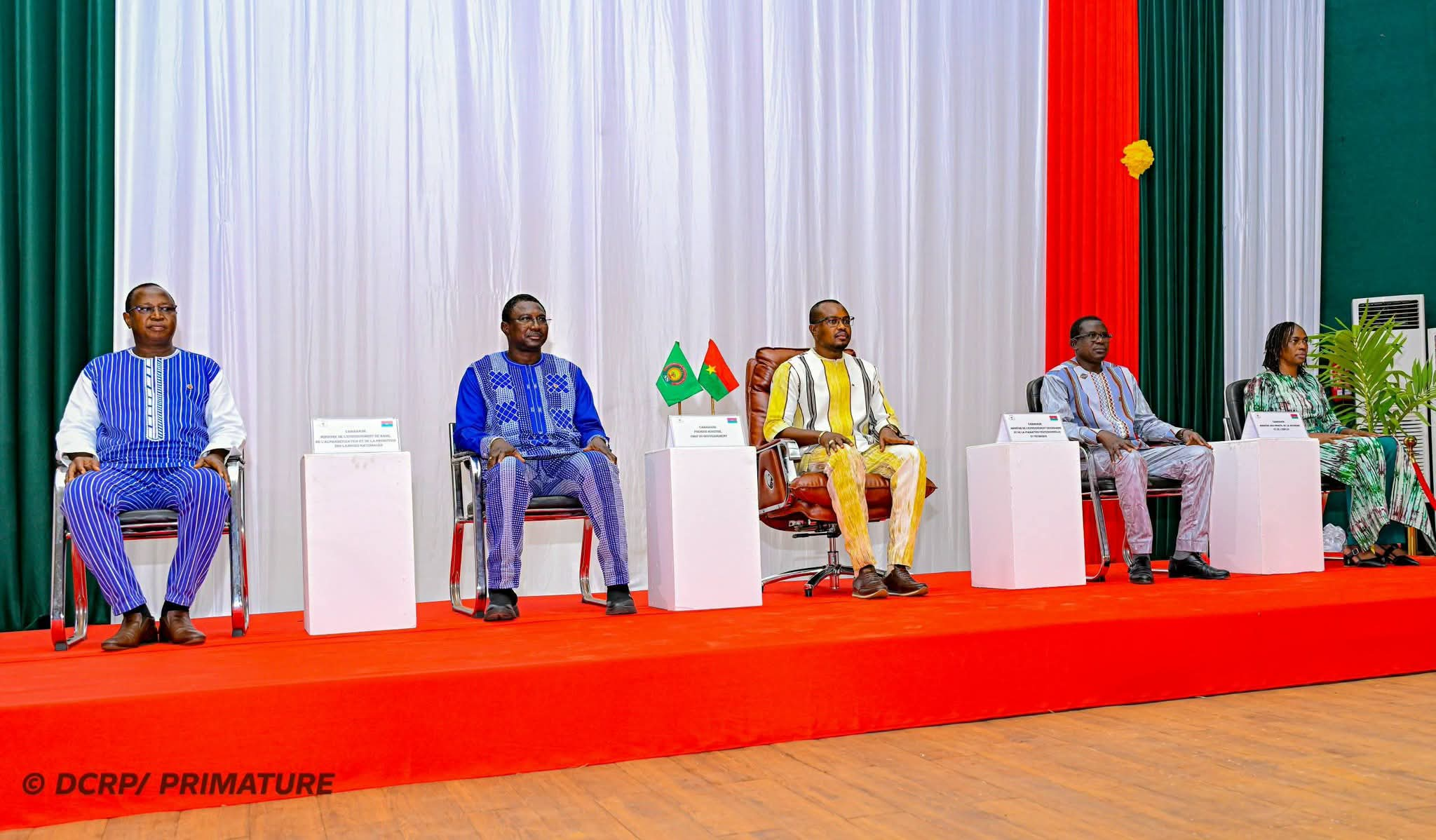
The Prime Minister, Head of Government, Comrade Rimtalba Jean Emmanuel Ouédraogo, representing the President of Burkina Faso, Comrade Captain Ibrahim Traoré, presided over the official launch ceremony for the Pact for the Rebuilding of the Burkinabè School System—known as the “NEKRE Pact”—this Saturday in Kaya. The event brought together heads of institutions, members of the government, representatives of the diplomatic corps, and stakeholders in the education system, all united by a common goal: to build a safe, inclusive, sovereign, and high-quality school system accessible to every child.
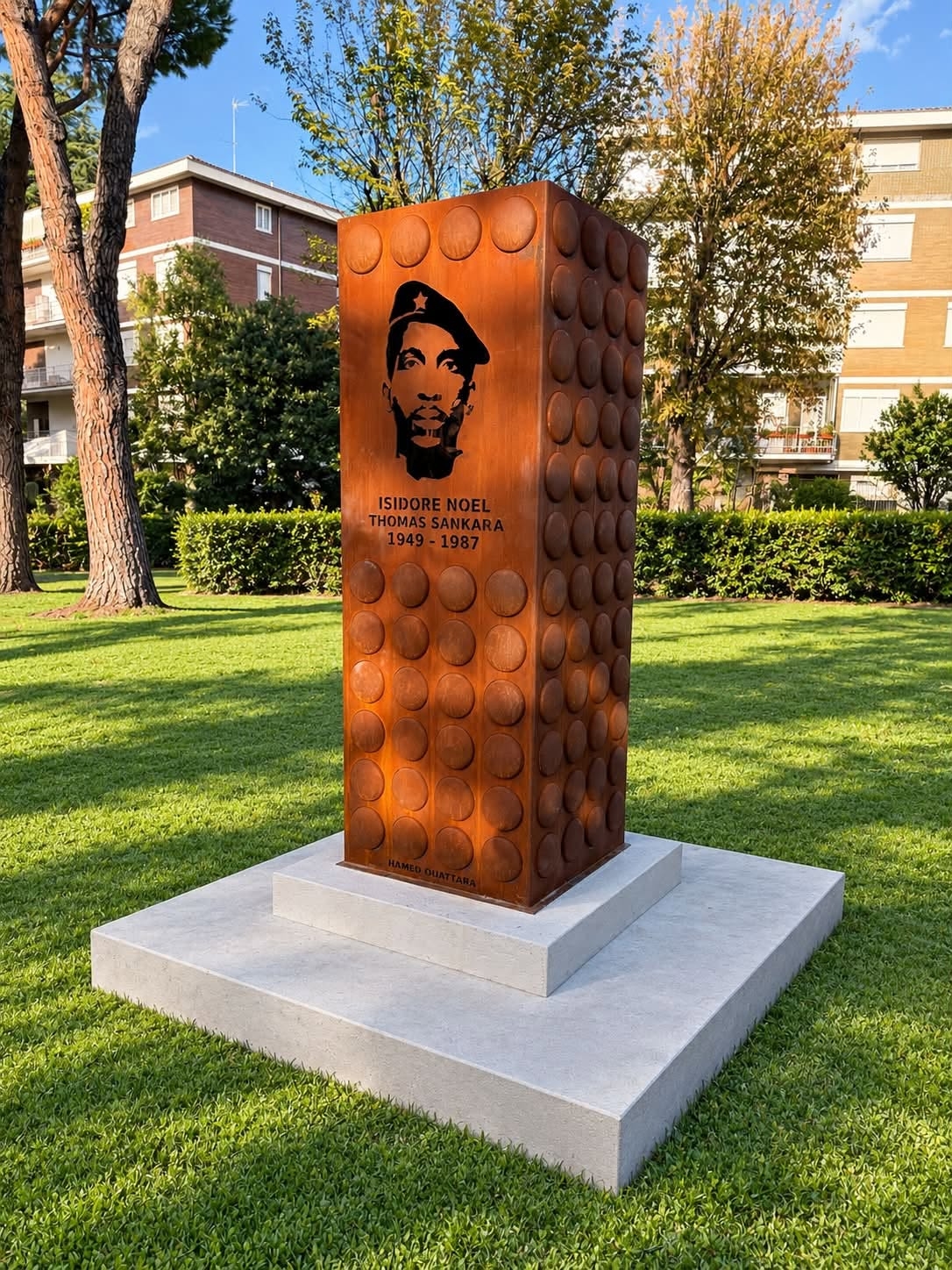
The choice of October 17 echoes the Gaoua Appeal, launched forty years earlier, on October 17, 1986, by Comrade Thomas Sankara. This call for quality education and a transformation of mindsets advocated for a rigorous school system, driven by dedicated teachers and a mobilized community. The NEKRE Pact aims to carry on this legacy by providing concrete solutions to the challenges facing the education system.
The choice of Kaya also carries strong symbolic significance. A land of solidarity, the city has welcomed displaced families, some of whom are gradually returning to their recaptured hometowns. It is also regarded as the stronghold from which the patriotic surge of the Progressive People’s Revolution began. Kaya thus embodies the resilience of the Burkinabè people and their determination to transform the recaptured territories into spaces of national rebirth.
In his message delivered by the Prime Minister, the Head of State called for a profound transformation of the school system, encompassing its organization, curricula, governance, and the moral and civic education of students. The goal is to educate responsible citizens, rooted in their values, capable of producing, innovating, and serving the common good.
This ambition is structured around seven priorities: ensuring access to education for all children and young people; guaranteeing dignified learning conditions; aligning education with production and the workforce; promoting national languages, history, and indigenous knowledge; strengthening the role of teachers; putting science, digital technology, and research at the service of national sovereignty; and promoting governance based on reliable data and accountability.
Access to education remains at the heart of this reform, particularly for vulnerable children, those who have never attended school, and those who have dropped out. “Wherever the government returns, schools must reopen!” declared the President of Burkina Faso. This approach requires the rehabilitation of school infrastructure, improved access to water, latrines, and textbooks, as well as better housing, nutrition, and health conditions for students.
The overhaul also concerns the content of education. Students will need to acquire solid knowledge, practical skills, and a progressive mastery of trades. National languages and indigenous knowledge will be further integrated into the learning process. Similarly, scientific research and innovation must contribute to solving concrete problems in essential sectors such as agriculture, health, industry, and the environment.
Implementing these guidelines requires coordinated involvement from all stakeholders. The government must ensure equitable and sustainable funding, protect educational spaces, improve teaching conditions, and ensure compliance with standards. Oversight of private schools will be strengthened, particularly with regard to the quality of instruction, student safety, and respect for staff rights—including regular payment of salaries and access to social protection.
This collective effort was reflected during the ceremony in the reading and signing of declarations of commitment by representatives of teachers, students, parents, and education stakeholders and partners.
Teachers reaffirmed their commitment to practicing their profession with competence, professionalism, impartiality, and dignity. A national charter on ethics and professional commitment will be drafted in collaboration with relevant stakeholders and then adopted at the national level. The President’s message also emphasized zero tolerance for unethical practices and announced a firm response from the government to acts of violence committed against teachers.
Students, for their part, were called upon to cultivate diligence, discipline, honesty, and respect for the common good. As for parents, their role will include ensuring closer monitoring of their children’s schooling, instilling moral values, and preventing behaviors that might lead children to drop out of school. Strengthening dialogue between families and schools should foster this complementary relationship and reduce school dropout rates.
This effort also involves community leaders, civil society organizations, businesses, and social partners. They are expected to contribute to child protection, the continuity of learning, and the professional integration of young people through concrete and sustainable initiatives.
To ensure the Pact’s effectiveness, the President of Burkina Faso emphasized the need for rigorous monitoring. Each action must have a designated person in charge and a deadline, while the use of resources must be clearly defined. Regular evaluations will make it possible to measure progress and address any shortcomings identified.
At the conclusion of the ceremony, the NEKRE Pact was symbolically handed over to the regional governors, who are tasked with contributing to its implementation throughout the country.
Through this initiative, Burkina Faso is making the overhaul of its school system a national priority. The success of this reform will depend on the ability of public authorities, education professionals, families, and society as a whole to translate this ambition into concrete results that benefit children, national sovereignty, and the country’s future.