Sankara’s Revolutionary Legacy as a Catalyst for Action for the African Diaspora
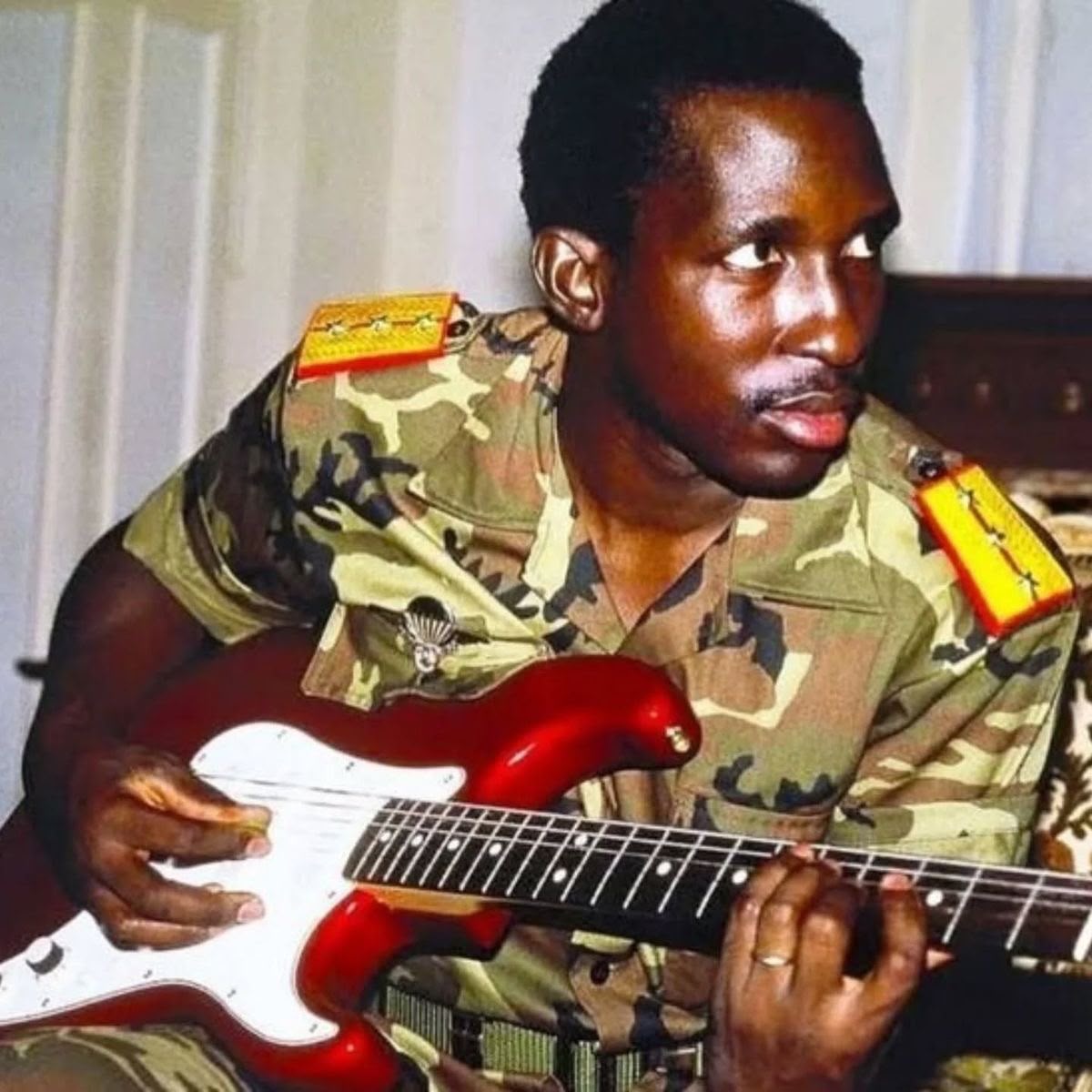
Thirty-nine years after his assassination, Thomas Sankara remains a major figure in African political consciousness. His legacy is not limited to the memory of a revolution cut short or the celebration of a fallen hero. It embodies a demand that remains as relevant as ever: the demand to achieve sovereignty. It is about generating one’s own wealth and taking control of one’s own destiny. For the Burkinabè and African diaspora, this demand must now be translated into concrete commitments.
On October 15, 1987, the assassination of Thomas Sankara and his companions at the Council of Entente failed to erase the aspirations they embodied. Thirty-nine years later, the tributes paid to them attest to the enduring nature of their legacy. But true loyalty to Sankara is measured neither by the fervor of ceremonies nor by the proliferation of speeches. It is measured by our ability to transform his ideals into lasting achievements.
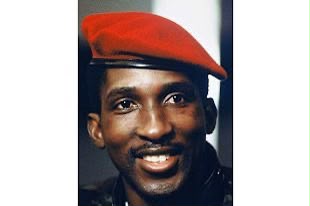
The first lesson of his struggle is that of sovereignty. A people can only truly control its own destiny if it has the capacity to define its priorities, mobilize its resources, and develop responses tailored to its needs. This sovereignty is political, but also economic, food-related, scientific, and cultural. It requires less structural dependence, more local production, rigorous governance, and a resolute investment in human capital.
It is precisely at this level that the diaspora can play a strategic role. Burkinabè and Africans living abroad possess skills, experience, professional networks, and financial resources that constitute a considerable asset. Yet their contribution should not be limited to remittances intended to support families. It can become a powerful driver of economic transformation.
Investing in agriculture and agribusiness, supporting small businesses, fostering technological innovation, promoting vocational training, and facilitating access to international markets are all ways to turn attachment to one’s country of origin into productive wealth. The diaspora can also contribute to the transfer of skills, scientific research, and the creation of partnerships between institutions in Burkina Faso and those in host countries.
However, this mobilization must be organized. Structured professional networks, transparent collective investment mechanisms, mentoring programs, and platforms connecting entrepreneurs, researchers, and investors would help move beyond scattered initiatives. This ambition, however, requires institutional safeguards, transparent project management, and an economic environment conducive to trust.
The diaspora as a lasting partner in nation-building.
The other major lesson from Sankara lies in the demand for integrity and accountability. Sovereignty cannot thrive where corruption weakens institutions, where public resources are misused, or when the sacrifices demanded of citizens are not accompanied by tangible results. Setting an example, exercising restraint in the fulfillment of responsibilities, and prioritizing the public interest must remain essential guiding principles.
This requirement applies equally to leaders, economic actors, civic organizations, and the diaspora itself. Patriotic commitment must be reflected in transparent practices, responsible investments, and projects that meet the real needs of the people. Trust—which is essential to any collective mobilization—is built through actions and results.
Human dignity is also a pillar of this legacy. Access to education, healthcare, employment, and opportunities for empowerment is not a secondary goal: it underpins the legitimacy of any development policy. The diaspora can contribute to this through scholarships, training programs, support for youth and women’s entrepreneurship, and partnerships with schools and universities. The goal is not to replace the state, but to strengthen national capacities and empower people to build their own future.
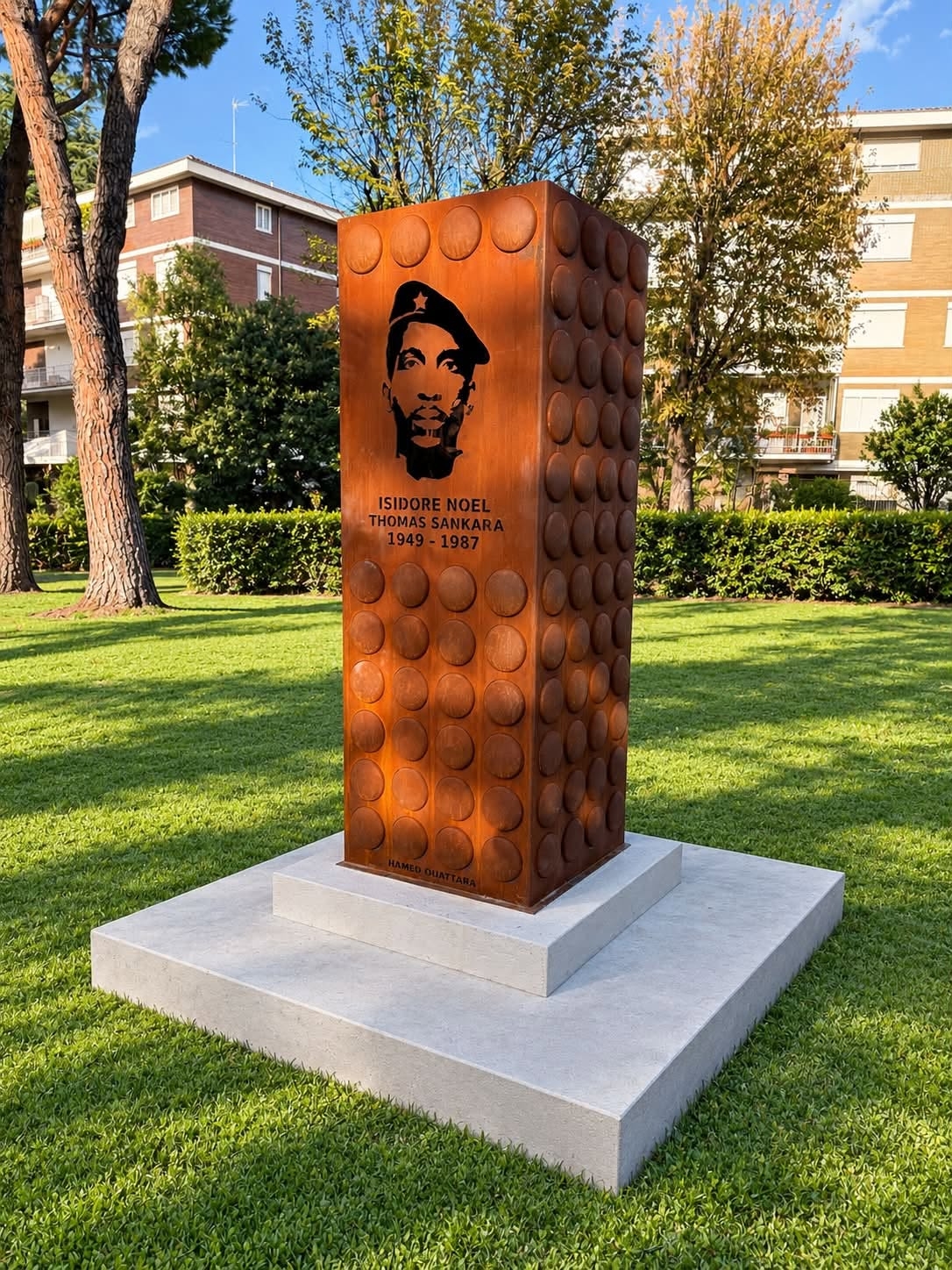
Passing this history on to new generations is also a critical challenge. The Thomas Sankara Memorial, which welcomed more than 200,000 visitors between May 19, 2025, and September 30, 2026, according to figures released by the Prime Minister, offers an opportunity to bring history to life beyond commemorations. Thanks to diaspora organizations, universities, the media, and digital tools, this transmission can cross borders and reach African youth in search of guidance.
The goal is not to deify Sankara or mechanically replicate his historical experience, but to draw lessons from it, understand its ambitions and limitations, and then apply those insights to contemporary challenges. Young people need more than just heroes to admire; they need a vision for the future to build upon.
Beyond Burkina Faso, this legacy speaks to the entire continent. African diasporas can pool their skills, investments, and networks to support industrialization, innovation, academic cooperation, and the development of cultural industries. African solidarity, however, will only reach its full potential when it translates into structured projects, measurable goals, and shared results.
Thirty-nine years after October 15, 1987, what are we to do with our freedom, our resources, and our collective intelligence?
For Burkina Faso, the challenge is to consolidate the foundations of true sovereignty. For its diaspora, it is to move from occasional support to organized participation in national development. For Africa, it is to transform its skills, scattered across the globe, into a collective force for progress.
The best way to honor Thomas Sankara is not merely to continue his struggle in words, but to translate his aspirations into action. Making savings an instrument of production, expertise a shared asset, memory a source of commitment, and solidarity a development strategy: this is the historic responsibility that his legacy entrusts to the Burkinabé and African diaspora.
For Sankara does not merely leave us with the memory of a man who was assassinated. He reminds us of a fundamental truth: no people can build a sustainable future if they give up believing in their own capabilities.
Alain Denis Mbezele