World Sight Day: Burkina Faso Steps Up Its Efforts to Promote Eye Health
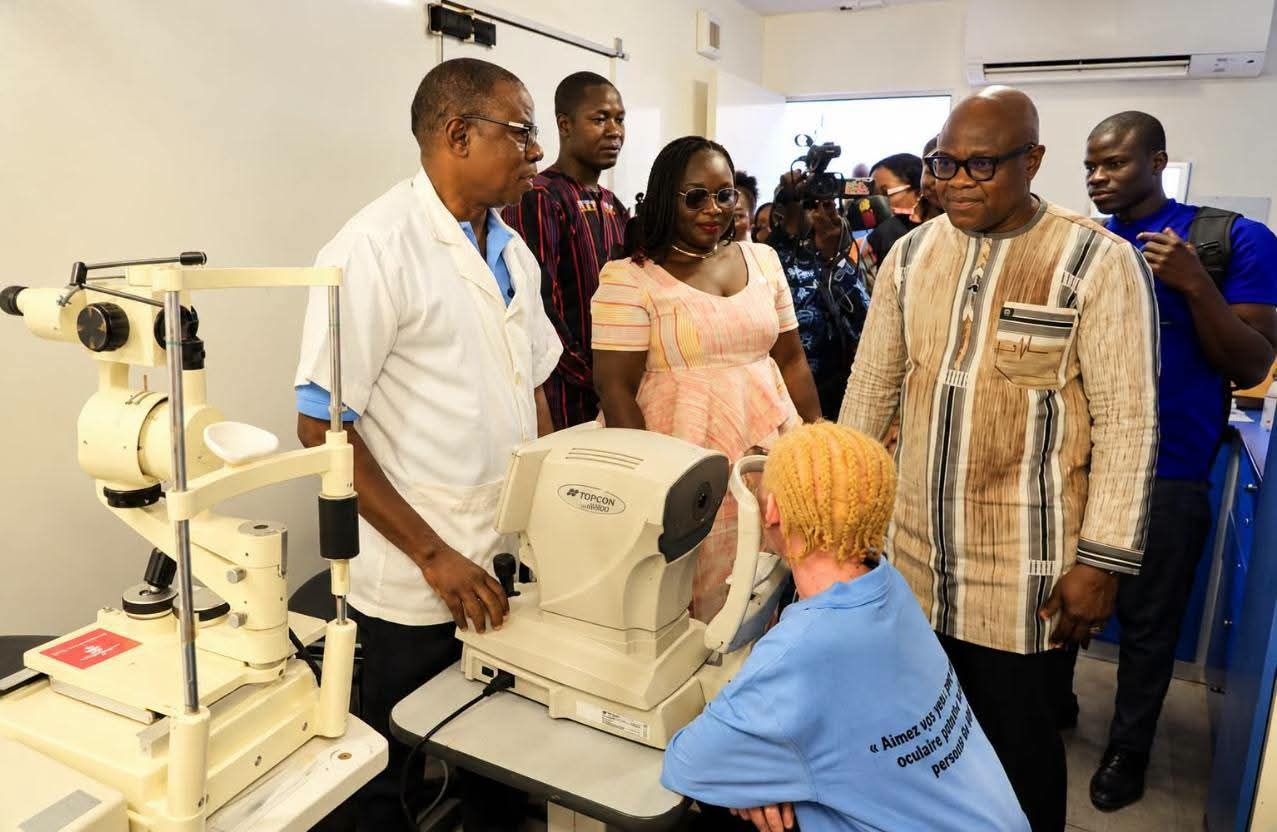
On the occasion of the delayed commemoration of World Sight Day, the Minister of Health, Dr. Robert Lucien Jean-Claude Kargougou, reaffirmed on Wednesday, October 14, 2026, in Ouagadougou, Burkina Faso’s commitment to improving access to quality eye care for all. The goal is to strengthen prevention of avoidable visual impairments and ensure inclusive care, leaving no one behind.
Celebrated October 14–15, 2026, under the theme “Love Your Eyes: for inclusive eye health, leave no one behind,” this year’s event highlights the need to make eye care accessible to all, regardless of social status, disability, or place of residence.
According to the Minister of Health, more than one billion people worldwide suffer from preventable or uncorrected visual impairment. In Burkina Faso, the prevalence of blindness is estimated at approximately 2 percent. Cataracts, glaucoma, and refractive errors remain among the leading causes of vision impairment and require appropriate treatment.
For Dr. Robert Lucien Jean-Claude Kargougou, this observance must go beyond raising awareness and lead to concrete results. In particular, he commended the awareness-raising, consultation, and screening activities aimed at people with albinism, people living with disabilities, and other vulnerable groups. The free distribution of corrective eyeglasses to those in need is also among the planned initiatives.
Statistics from 2024 and 2025 show an increase in care services. Consultations related to cataracts rose from 55,710 to 66,321, while the number of surgical procedures increased from 10,421 to 17,163. Regarding glaucoma, recorded cases rose from 20,450 to 25,280, and the number of patients who underwent surgery increased from 102 to 188. The creation of the National Eye Health Program in 2025, combined with enhanced training for specialists, is contributing to this trend.
For her part, the program coordinator, Dr. Kadidia Diarra, emphasized the importance of early screening, particularly among children. Indeed, undiagnosed vision problems can affect learning and academic performance. In response to this challenge, the government has announced plans to expand awareness-raising efforts and screening campaigns in schools, against a backdrop of increasing screen use.
Preserving eyesight relies in particular on regular eye exams, without waiting for significant problems to arise. By focusing on early screening, prevention, and equitable access to care, Burkina Faso aims to limit preventable complications and improve the quality of life for its people.