
From Tontines to Agribusiness: How the Burkinabé Diaspora Is Reinventing Local Investment
By Alain Denis Mbezele
For decades, the economic link between the Burkinabè diaspora and its homeland has been reduced to a matter of providing for basic needs. Every month, through money transfer agencies or informal channels, billions of CFA francs have crossed borders to supplement the “family budget,” with the minimal goal of paying school tuition or covering medical expenses. While this interpersonal solidarity remains an indispensable social safety net, a quiet yet profound shift is taking place within expatriate communities in Russia, Mali, Italy, and North America.
Today, a new wave of actors refuses to limit its role to that of a mere source of assistance. Aware of the land’s economic potential and eager to build sustainable assets, the Burkinabè diaspora is undergoing a major strategic shift: the transition from passive tontine savings to structured agribusiness. By investing in the agro-pastoral sector, these expatriates are no longer seeking merely to provide relief to their loved ones, but to transform the local productive fabric and establish themselves as pillars of national food sovereignty.
The Evolution of the Model: From Family Solidarity to Wealth-Building Strategy
1. The Era of Assistance and the Limits of Traditional Mutual Aid
Historically, the financial contributions of Burkinabé nationals relied on community-based mutual aid mechanisms. Village tontines and solidarity funds established abroad made it possible to cope with unforeseen events in the homeland or to finance basic community infrastructure such as water wells, school renovations, or the construction of religious buildings.
Although well-intentioned, these financial flows faced major structural limitations. On the one hand, the economic impact remained extremely fragmented: the money injected was spent on immediate consumption without generating added value or recurring income. On the other hand, this model perpetuated a relationship of dependency between resident families and their expatriate sponsors, acting as a significant barrier to the development of true financial autonomy locally.
2. The Entrepreneurial Turning Point
Several factors converged to spark individual and collective awareness among expatriates. First and foremost was the quest for economic sustainability: the prospect of returning home or securing a comfortable retirement led investors to seek investments that offered significantly higher returns than traditional bank savings.
Added to this is the growing recognition of the agricultural potential of a country with arable land, exploitable water resources, and sustained urban demand for fresh and processed products. Finally, resilience in the face of global crises has underscored the importance of diversifying one’s assets by investing in land, which is seen as the ultimate safe haven.
The Face, Sectors, and Modernization of the Diaspora’s Agribusiness
1. Strategic Sectors with High Value-Added
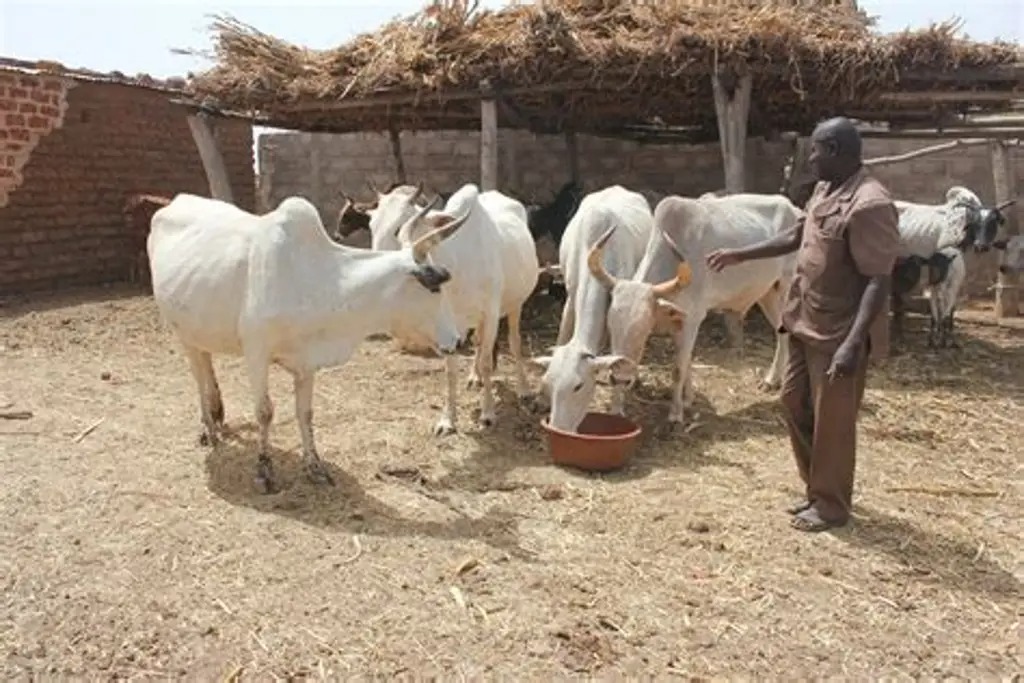
The injection of foreign capital now focuses on two major strategic pillars. The first is based on intensive livestock farming and animal nutrition: on the outskirts of Ouagadougou and Bobo-Dioulasso, modern poultry complexes, above-ground fish farms, and cattle feedlots are emerging to supply major urban centers.
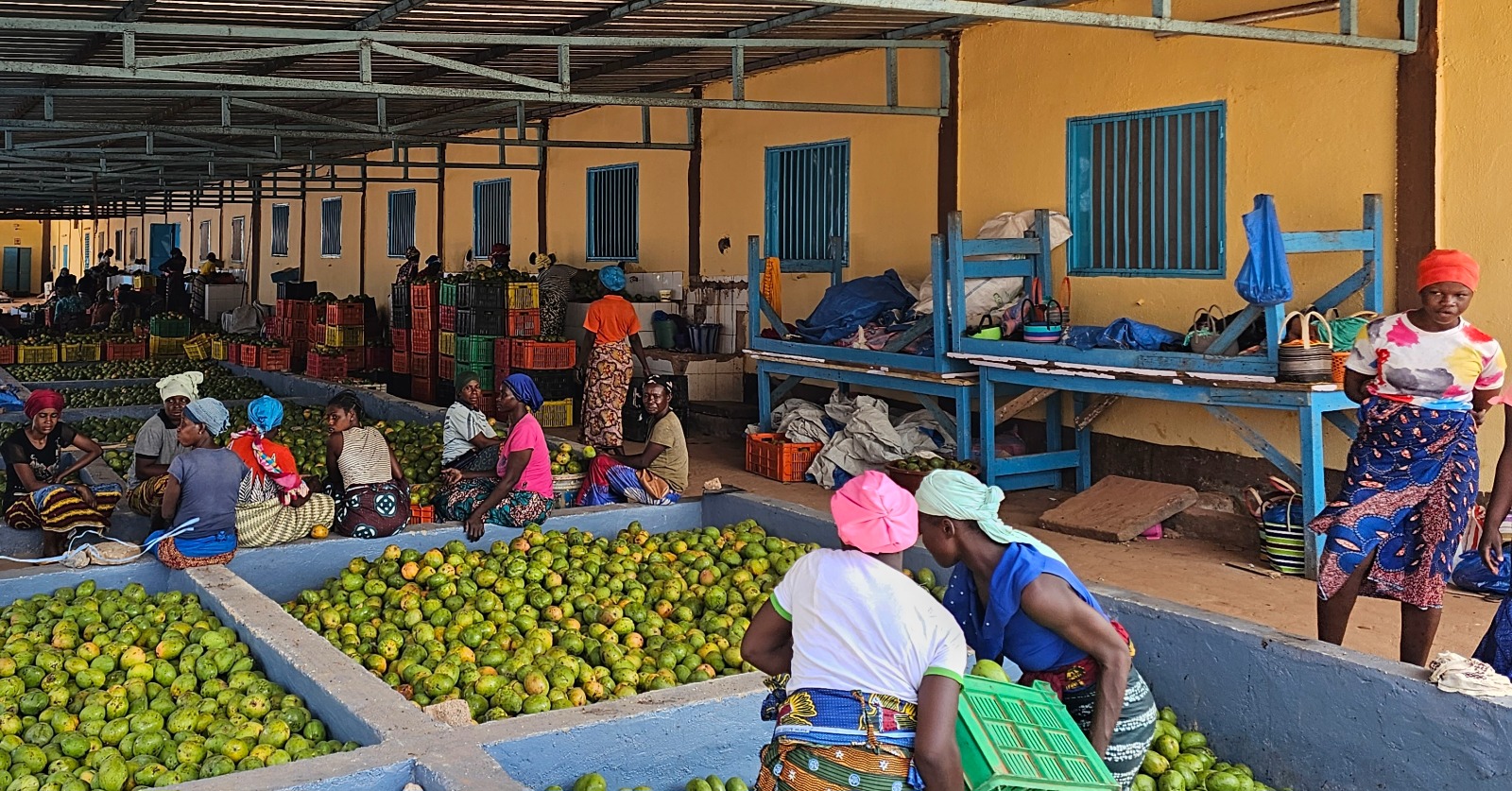
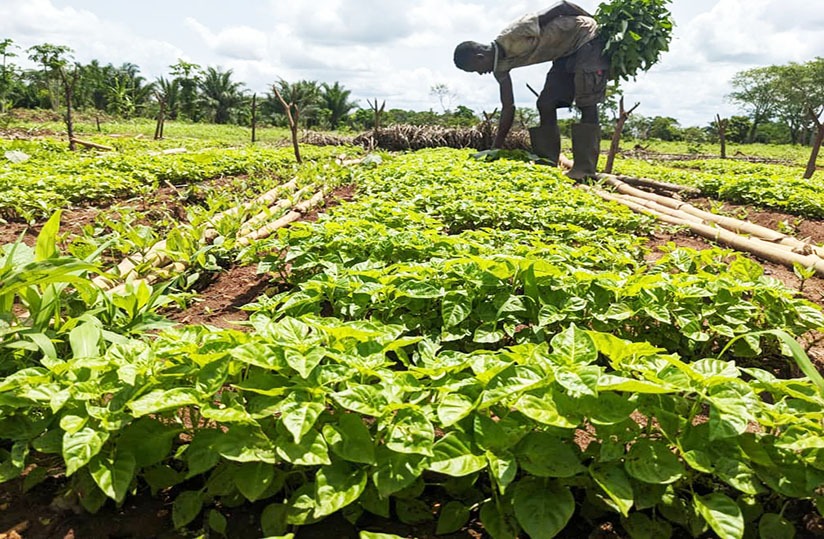
The second pillar focuses on fruit tree cultivation and high-value vegetable crops (tomatoes, chili peppers, mangoes, cashews, sesame), boosted by the adoption of greenhouse vegetable farming and solar-powered drip irrigation systems. Moving beyond the stage of simple primary production, the diaspora is also becoming involved in the industrial sector of local processing, notably cashew dehusking, mango drying, and honey packaging for domestic and international markets.
2. Types of Investors
The diversity of investor profiles shapes the very nature of the farms:
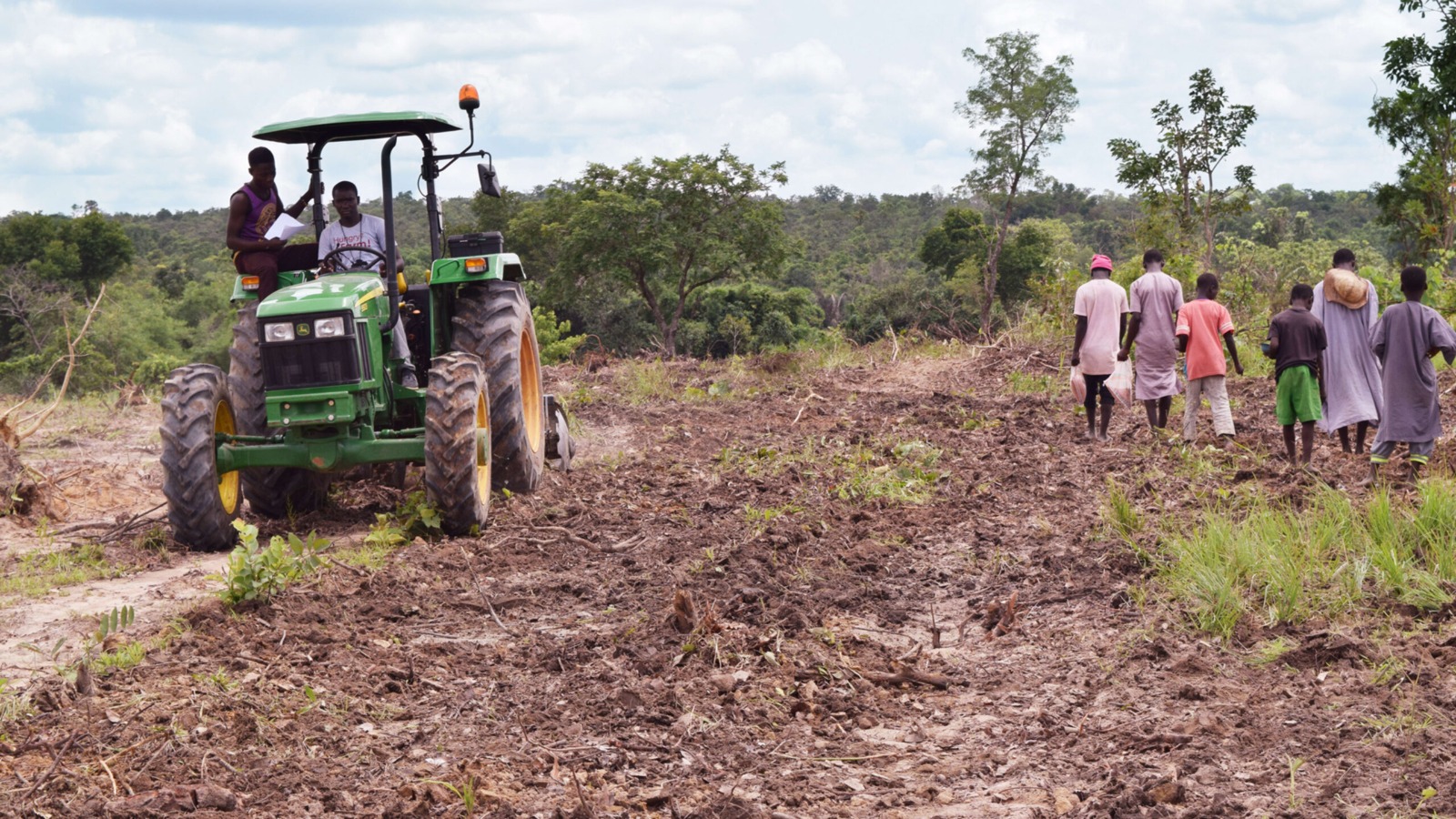
The remote individual investor: An executive or self-employed professional who acquires between 5 and 50 hectares and entrusts the management to local service providers.
Consortia and cooperatives of expatriates: Groups organized as associations or dedicated investment vehicles (SPVs) to pool capital, acquire large tracts of land, and spread operational risk.
Returning “neo-ruralists”: Former expatriates who bring their expertise and know-how directly back to the country to manage their own farms.
Challenges on the Ground and Cornerstones of Remote Management
Far from their homeland, project leaders face a demanding reality where distance and a lack of understanding of local dynamics can sometimes turn management into a delicate obstacle course.
1. The Pitfalls of Distance
Entrusting farm management to a relative out of social obligation too often leads to the pitfalls of the “family tax” and moral hazard, where working capital is sometimes misappropriated to cover unforeseen social expenses. Furthermore, land tenure insecurity exposes buyers lacking formal legal protection to multiple sales or protracted customary disputes. Finally, the lack of professional agronomic oversight leads to recurring errors in farming practices and jeopardizes both crops and livestock.
2. The Shift Toward Professional Management: From Amateurism to Professionalization
To protect their capital against these risks, the modern diaspora is replacing risky traditional practices with professional rigor. Informal cash remittances are thus giving way to full traceability via Mobile Money and dedicated business bank accounts.
On the operational front, unverifiable verbal reports are giving way to continuous visual reporting supported by modernized technological tools (instant messaging groups, solar-powered cameras, and drone monitoring). Similarly, the informal and family-based employment of relatives is giving way to formal employment contracts with specific performance targets, while verbal agreements with traditional authorities are systematically replaced by the issuance of Rural Land Ownership Certificates (APFR) or duly issued land titles.
Socioeconomic Impact and Institutional Support
1. A Powerful Driver of Rural Development
The reorientation of diaspora capital is profoundly transforming the rural economy through three major effects. First, it stimulates rural employment by financing sustainable farms that offer a concrete alternative to the exodus of young people.
Second, it drives a decisive transfer of technology through the introduction of modern equipment—such as solar-powered pumps, drip irrigation systems, and refrigerated storage units—thereby raising the technical standards of the sector.
Finally, it strengthens national food resilience: by developing vegetable, livestock, and processed food production, these investments contribute to the gradual replacement of imports with local products and to the establishment of a virtuous economic ecosystem within local communities.
2. The Strategic Role of Public Authorities and the Financial Sector
To maximize the impact of this capital, the government and the private sector are reinventing their support mechanisms. Public authorities are working to secure the investment framework by facilitating access to land through one-stop shops and granting tax exemptions on the import of agricultural equipment.
At the same time, chambers of commerce, commercial banks, and the Regional Stock Exchange (BRVM) are developing tailored financial solutions, such as dedicated guarantee funds and targeted diaspora bonds.
The transformation of financial remittances from the Burkinabè diaspora marks a historic turning point. By moving away from a purely subsistence-based approach toward that of savvy investors, Burkinabè living abroad are demonstrating that solidarity with their homeland can become the driving force behind genuine rural industrialization.
Beyond individual profitability, the agribusiness driven by the diaspora directly contributes to the country’s food security and the enhancement of the national land assets. To ensure the sustainability of this growth, the major challenge in the coming years will lie in the ability to bring these individual initiatives together into powerful consortia capable of financing agro-industrial projects on a regional scale.