REMA 2026: The Diaspora as a Strategic Partner of the Music Industry
From meetings between investors and creators to the structuring of the music value chain, including a permanent mechanism for mobilizing expertise and capital, the African Music Meetings (REMA) open up concrete opportunities to make culture a driving force for Burkina Faso’s development and international influence.
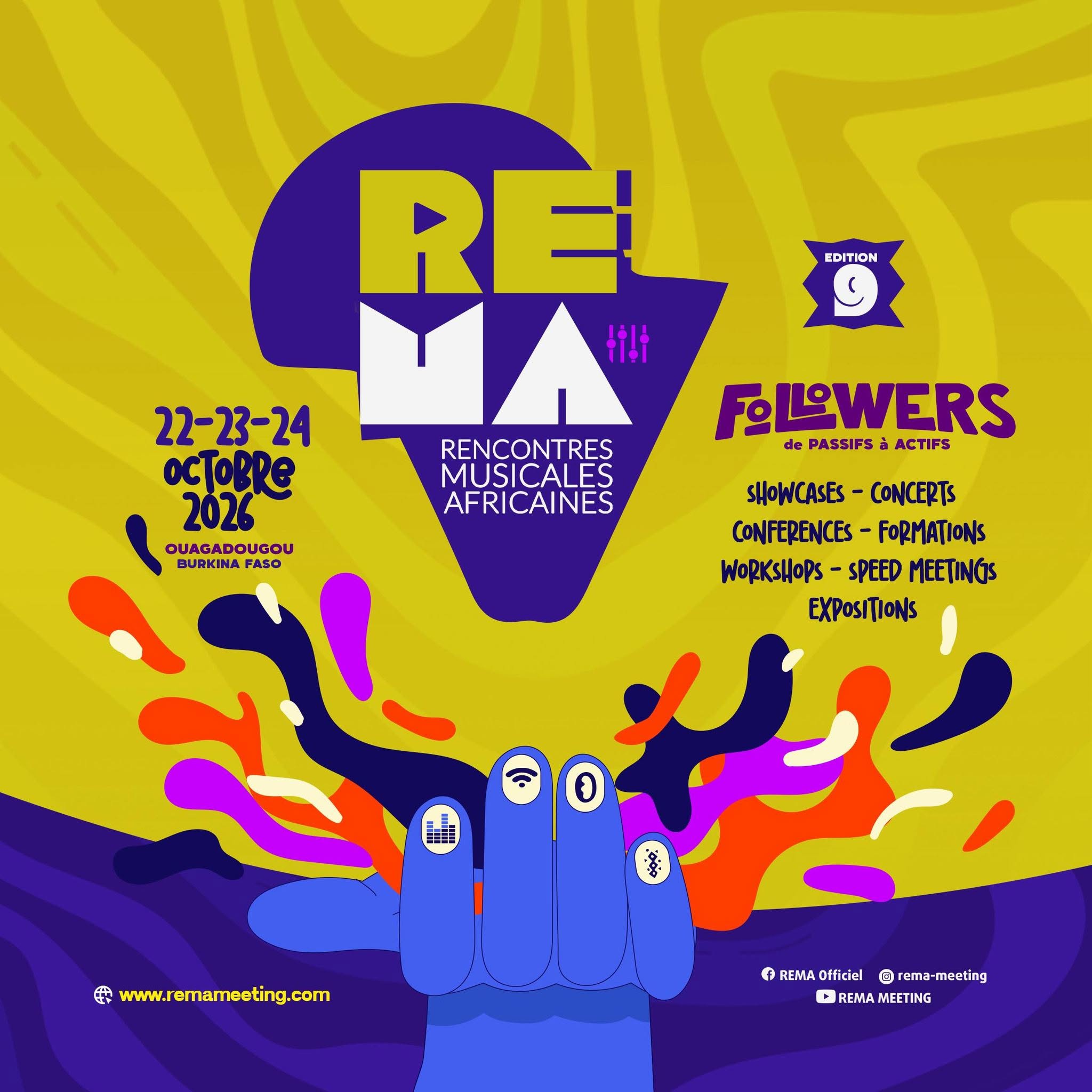
The ninth edition of the Rencontres musicales africaines (REMA), to be held October 22–24, 2026, in Ouagadougou under the theme “Followers: From Passive to Active,” offers prospects that extend beyond the realm of artistic creation alone. By bringing together music professionals, spotlighting new talent, and prioritizing training, innovation, and digital transformation, this event underscores that culture is also an economic sector whose potential remains to be structured and harnessed. For Burkina Faso, the challenge now is to convert this creative vitality into jobs, investments, competitive businesses, and opportunities for youth integration. In this context, the Burkinabè diaspora emerges as a strategic partner whose financial resources, expertise, and international networks could help accelerate the transformation of the national music industry.

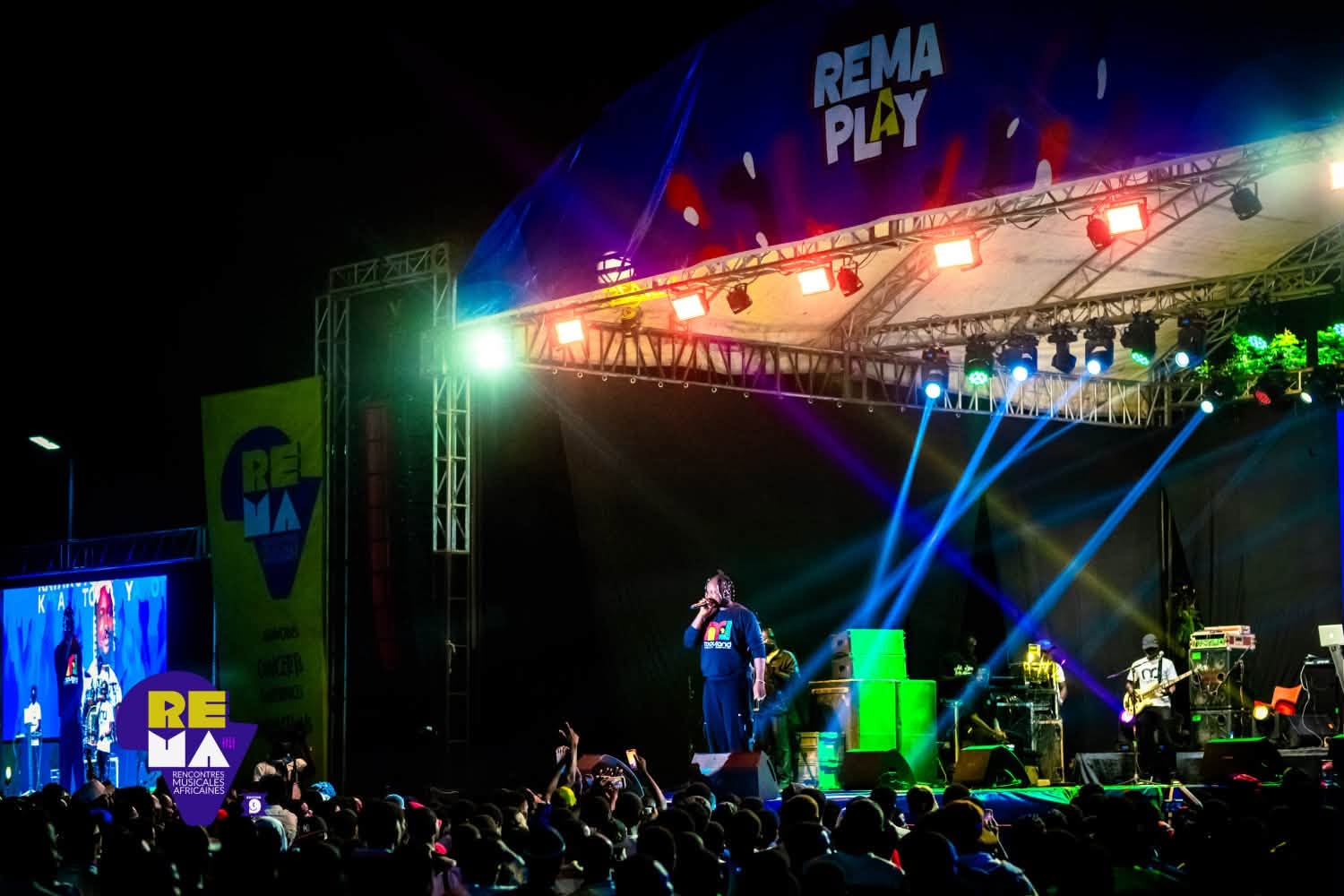
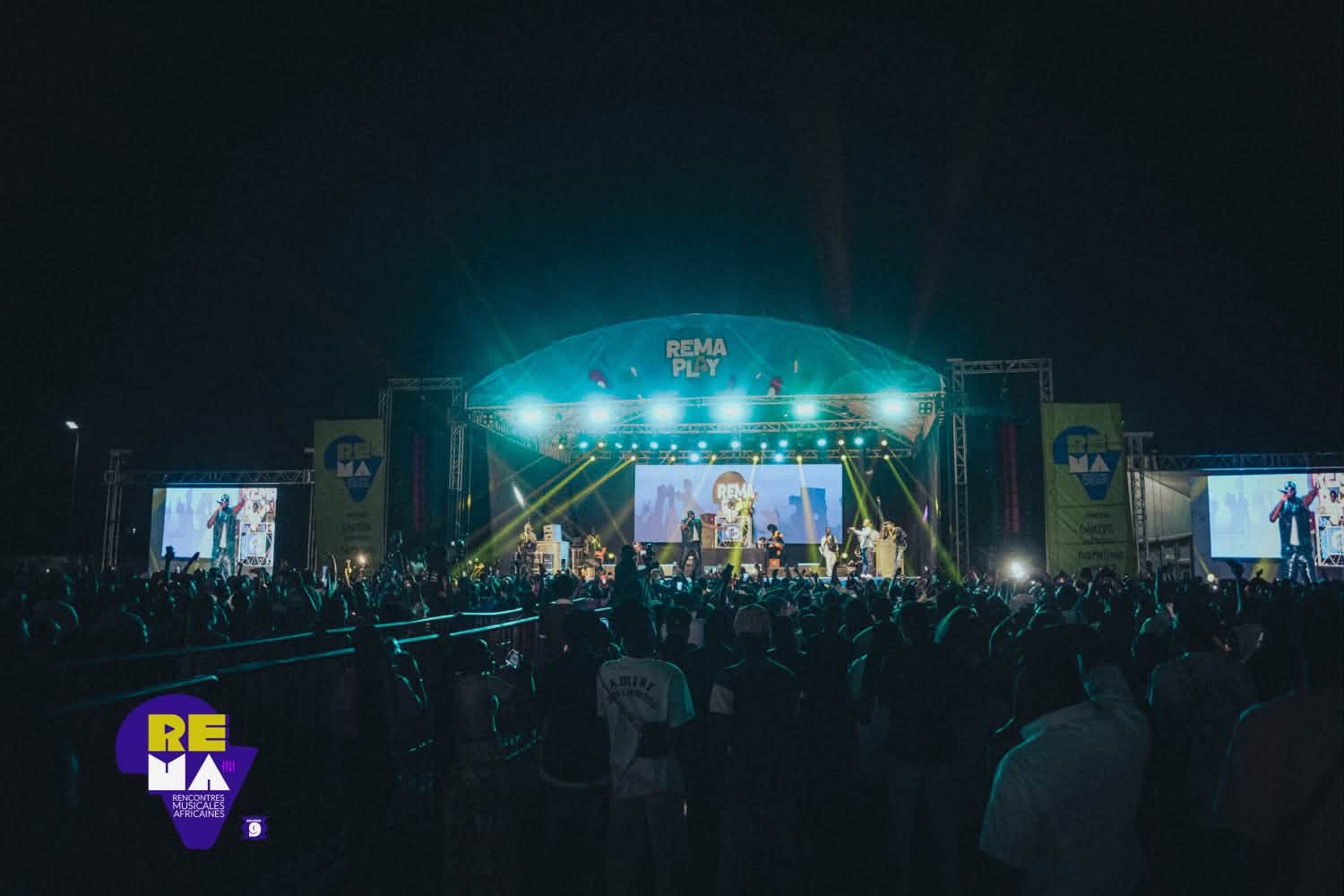
Since their launch in 2018 at the initiative of the Cour du Naaba, REMA has gradually established itself as a professional event dedicated to the development of African music. The music boot camp, creative residency, training in music project management, and discussions on artificial intelligence applied to creative work demonstrate a commitment to professionalization. REMA Play, with a lineup featuring artists from Burkina Faso and across Africa, has given tangible visibility to the diversity of contemporary artistic creation. But the impact of such an event cannot be measured solely by the quality of the performances or concert attendance. It must also be assessed in terms of the partnerships forged, the funding secured, the careers strengthened, and the opportunities opened up for artists. This is where one of the main lessons of this edition lies: the transition from a cultural event to a genuine instrument of development requires mechanisms capable of extending these connections, transforming contacts into contracts, and converting public interest into economic value.

Connecting Music Industry Professionals with Diaspora Investors
The first step would be to turn REMA into a platform for connecting creators, producers, cultural entrepreneurs, and investors from the diaspora. Burkina Faso has citizens living abroad who possess professional experience, business networks, and financial resources capable of supporting the development of cultural projects. However, mobilizing them cannot rely solely on appeals to solidarity or attachment to their country of origin. It requires credible projects, clearly defined needs, transparent budgets, and precisely established prospects for profitability or impact. With this in mind, each edition of REMA could include a segment dedicated to the presentation of selected music projects, professional meetings between project leaders and investors, and discussions on financing mechanisms tailored to the cultural industries. Projects involving album production, studio creation, label development, tour organization, or digital distribution could thus be presented to potential partners. A preparatory process would allow for an assessment of their maturity, clarification of financial needs, and documentation of commercial prospects. The goal would be to move beyond mere intentions to establish verifiable commitments and sustained partnerships.

This approach would have the merit of broadening the traditional conception of the diaspora’s contribution. Remittances sent to families continue to play an essential role in the living conditions of many communities. But economic development also requires productive investments capable of creating sustainable activities and generating income beyond the immediate beneficiary. In the music industry, well-structured financing can support content production, pay technicians, foster the emergence of young entrepreneurs, open up markets, and strengthen local businesses. The diaspora could act as a direct investor, business partner, patron, or facilitator of professional relationships. It is nevertheless important to clearly distinguish between these different roles, as the expectations, risks, and terms of compensation are not the same. The credibility of the system would depend, in particular, on the transparency of operations, the quality of governance, and the protection of the interests of both artists and funders.
Structuring the Music Industry to Support International Networks
The second initiative would aim to structure the music value chain by drawing on the expertise and international networks of Burkinabè living abroad. Artistic talent, however remarkable it may be, is not enough to guarantee the economic success of a career. Between the creation of a work and its monetization, numerous professions are involved: production, recording, publishing, rights management, distribution, communications, marketing, and event organization. When these functions remain fragmented or insufficiently professionalized, the visibility artists gain is difficult to translate into sustainable income. The REMA initiatives specifically provide a framework for reflection and cooperation to identify the links that need strengthening and to foster the emergence of a more effective ecosystem.
With this in mind, Burkinabé professionals based abroad could contribute to training local stakeholders, supporting young cultural enterprises, and facilitating access to international distribution channels. Partnerships between labels, producers, digital platforms, festival organizers, and training institutions would help improve the quality of productions and expand commercial opportunities. Mentoring programs could connect emerging artists with experienced professionals, while collaborations between studios and cultural enterprises would facilitate the transfer of technical and managerial skills. The management of copyright and related rights should be central to this strategy, as the protection of intellectual property is essential to ensuring fair compensation for creators and building investor confidence. The goal would be to ensure that Burkinabè music is not merely consumed or appreciated, but that it generates a better-organized economic sector, skilled jobs, and equitably distributed income.
Ongoing Mobilization of Expertise and Investment in the Cultural Industries
The third action, which is crucial to ensuring the continuity of the first two, would consist of establishing a mechanism to mobilize and track the expertise, networks, and investments of the diaspora in the cultural industries. Holding an annual event, however important it may be, is not enough to sustain professional relationships over the long term or to guarantee the completion of announced projects. Between editions of REMA, it is important to maintain contact, share useful information, identify new opportunities, and support partnerships through to their successful completion. A permanent mechanism could, in particular, draw on a directory of Burkinabé music professionals based abroad, a mapping of available skills and interested investors, as well as a regularly updated portfolio of cultural projects likely to benefit from technical or financial support.
This mechanism could also organize periodic meetings—in person or online—and follow up on commitments made during the REMA conferences. The goal would not be to create an additional structure without a specific mandate, but rather to coordinate existing initiatives, facilitate access to information, and make investment opportunities more transparent. Indicators would make it possible to evaluate results: the number of projects funded, partnerships formed, artists supported, businesses assisted, jobs created, training programs provided, and international markets reached. This data would help measure the actual impact of diaspora engagement and address any identified shortcomings. It would also help raise awareness of successes, foster trust among partners, and demonstrate that cultural investment can produce tangible results.
Such a framework would benefit from involving REMA organizers, music professionals, rights management organizations, relevant institutions, diaspora organizations, and Burkina Faso’s diplomatic missions. It could rely on digital tools to disseminate calls for projects, present funding opportunities, and match available expertise with needs identified on the ground. An information platform, however, would be only one means to an end, as its effectiveness would depend above all on the quality of the proposed projects, the consistency with which the network is managed, and the ability of stakeholders to follow through on their commitments. The diaspora should not be viewed as a reservoir of capital, available on demand, but rather as a group of partners with diverse backgrounds, whose participation requires an environment of trust, clear prospects, and sustained dialogue.
Usefully Complementary Leverage Points
These three levers—connecting projects with investors, structuring the music value chain, and establishing a permanent mechanism for mobilization and monitoring—are complementary. The first facilitates access to financing; the second enables the resources mobilized to be transformed into viable economic activities; the third ensures continuity, coordination, and evaluation of results. Their integration could make REMA a space where artistic creation meets entrepreneurship, where skills acquired abroad contribute to local development, and where cultural recognition is gradually converted into economic value. It would also make it possible to move beyond a one-off approach to the diaspora—which is often called upon during major events or solidarity campaigns—to build a relationship based on projects, shared responsibilities, and measurable results.
The digital dimension further reinforces the relevance of this direction. The theme of this ninth edition, “Followers: From Passive to Active,” highlights the importance of audiences who are now capable of participating in the dissemination of works, supporting artists, and building transnational communities. Burkinabè living abroad can play a decisive role in this dynamic by promoting national productions, facilitating their presence on platforms, and opening doors to new markets. But this contribution requires skills in communication, cultural marketing, audience analysis, and content monetization. Artificial intelligence, also discussed during this edition, offers new possibilities for creation and promotion, while raising issues related to rights, authenticity, and compensation for creators. Training and support must therefore enable artists to seize technological opportunities without losing control over their works or their artistic identity.
Beyond the music industry, this discussion has broader implications for Burkina Faso’s development strategy. Culture can help diversify the economy, stimulate youth entrepreneurship, strengthen international exchanges, and enhance the country’s global profile. It can also strengthen ties between communities living abroad and their homelands. However, cultural promotion policies must be accompanied by appropriate economic instruments, private initiatives must find a favorable environment, and projects must have a management framework reliable enough to attract partners. Engaging the diaspora cannot replace the responsibility of public authorities or that of national stakeholders. It can, however, complement their efforts by providing resources, expertise, and international connections.
From Artistic Ambition to Economic Momentum
For BurkiNet, whose mission is to bring Burkina Faso closer to its diaspora and the world, this dynamic represents a particularly relevant area of editorial and economic focus. By documenting cultural initiatives, identifying professionals in the diaspora, publicizing projects eligible for support, and highlighting successful collaborations, the media outlet can help make opportunities more visible and relationships more productive. The flow of information is a key driver of development here. It helps project leaders find partners, enables investors to better understand market needs, and allows overseas communities to identify ways to participate in the transformation of their home country.

Ultimately, REMA 2026 reminds us that the success of a cultural event is measured not only by the intensity of the applause, but also by what remains after the curtains close. The productions created, the jobs generated, the contracts signed, the skills transferred, and the markets won are all signs of the transformation of an artistic ambition into an economic force. By making meetings between creators and investors a regular practice, by structuring the music industry, and by sustainably organizing the mobilization of its diaspora, Burkina Faso could provide its cultural industry with additional means to grow and flourish.
The main challenge, therefore, is to make REMA not only a showcase for African musical creativity but also an anchor for sustainable economic cooperation between Burkina Faso and its citizens living abroad. The diaspora will not become a strategic partner solely through the strength of its attachment to the country; it will fully become one when that attachment is channeled into credible projects, transparent mechanisms, and concrete opportunities for action. Only then can music become more than a universal language—it can serve as a catalyst for wealth creation, the transfer of skills, and the building of a Burkinabè influence that extends far beyond national borders.
Alain Denis Mbezele