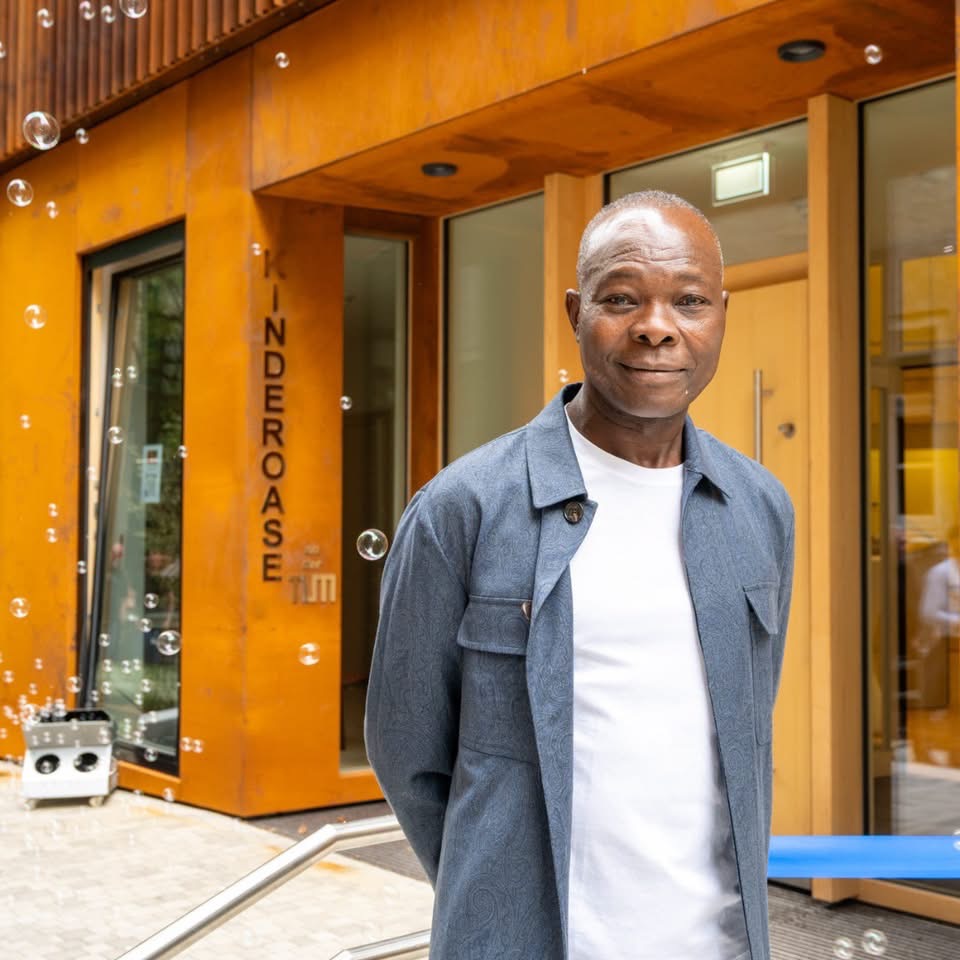
Inoussa KANAZOÉ, one of the architects of economic sovereignty
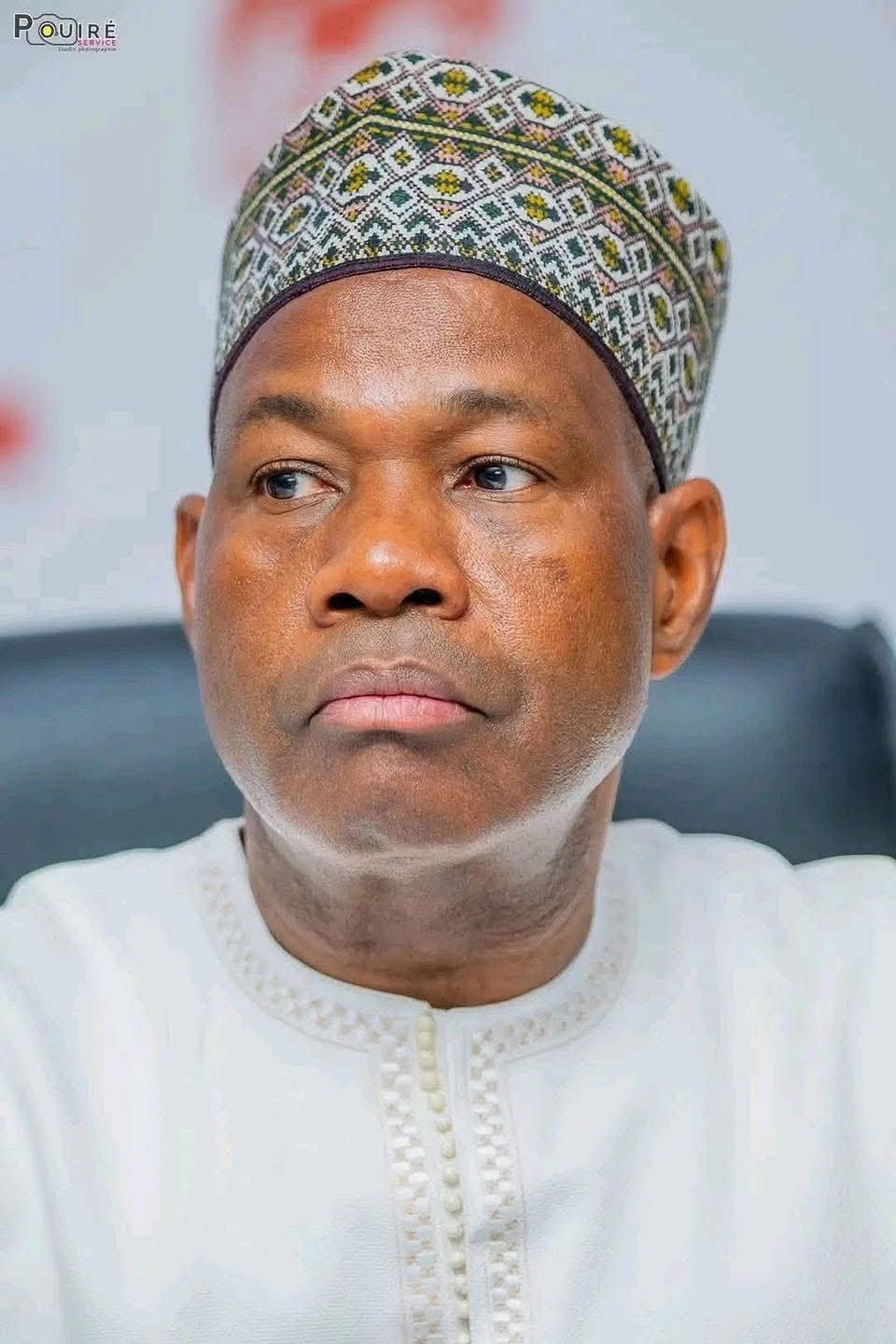
In the West African entrepreneurial landscape, Inoussa Kanazoé is among those visionaries whose journey, in many ways, reflects the ambition of an Africa that is more in control of its economic destiny. As the founder of the Kanis Group, this Burkinabé entrepreneur has gradually transformed his early experience in commerce into a diversified group with a presence in several strategic sectors of the economy. At the heart of this journey lies a simple yet demanding conviction: that sustainable development depends less on consumption alone than on the ability to produce, process, and create value locally.
From Trade to Industry
Inoussa Kanazoé’s journey is first and foremost that of an entrepreneur shaped by experience. His early days in trade allowed him to gain a concrete understanding of the constraints of a market still largely dependent on imports. Over the years, this on-the-ground knowledge fueled a more far-reaching ambition: to move from trading to production and contribute to the emergence of an industrial base capable of meeting the needs of Burkina Faso and, more broadly, the subregion.
It is within this framework that the Kanis Group was built, with operations spanning construction materials, agri-food, logistics, transportation, and distribution. Through companies and industrial units such as the CIM METAL Group and CIMFASO, the group is committed to a strategy of local transformation and the consolidation of productive capacities.
This evolution reflects a shift in scale: no longer merely keeping pace with the market, but helping to shape it. In an environment where African economies remain dependent on imports for many essential goods, industrial investment thus takes on a dimension that goes beyond mere business logic.
Producing Locally, Creating Value
One of the distinctive features of the model associated with Inoussa Kanazoé lies in the emphasis placed on local production and processing. The construction materials industry is a prime example in this regard: it directly impacts housing, infrastructure, urbanization, and, more broadly, regional development.
In addition to this activity are investments in the agri-food sector, logistics, and distribution—all areas that contribute to the creation of an integrated economic ecosystem. The challenge, therefore, is not merely to replace imports with domestic production, but to foster the creation of value chains, jobs, skills, and opportunities for other economic actors.
This approach addresses an issue that has become central to the continent: economic sovereignty cannot be decreed; it is built through investment, production, processing, and the gradual mastery of value chains.
Business as a Lever for Development
The Kanis Group’s impact is also measured by the direct and indirect jobs generated by its various activities and by the ripple effects on suppliers, service providers, and the regions where it operates. In a context where the creation of productive jobs is one of Africa’s greatest challenges, industrialization emerges as a major tool for economic stabilization and transformation.
In addition to this productive dimension, the Group is involved in social and community initiatives, particularly in the areas of education, health, access to water, and support for vulnerable populations. These commitments give entrepreneurial action a scope that extends beyond financial indicators and embed social responsibility within a broader vision of the company’s role.
A Leading Figure in African Entrepreneurship
Inoussa Kanazoé’s career path offers an interesting perspective on the transformations in African entrepreneurship. It illustrates the shift from a model based on trade and intermediation to one focused on industrial investment, transformation, and the building of national capacity.
Above all, his journey serves as a reminder that African industrialization also depends on the ability of local entrepreneurs to take risks, raise capital, develop skills, and commit to long-term investments. For young people seeking entrepreneurial role models, this journey highlights three essential qualities: hard work, perseverance, and the ability to transform a business intuition into an industrial vision.
Beyond the success of one man and the growth of a corporate group, Inoussa Kanazoé’s experience thus raises a broader question: what role does Africa intend to play in the value chains that it currently largely fuels through its raw materials and imports? The answer necessarily lies in increased local production, processing, innovation, and African capital.
This is why the journey of the founder of Kanis Group resonates so deeply. It serves as a reminder that economic sovereignty is neither a slogan nor a given: it is a patient, industrial, and collective endeavor, built company by company, factory by factory, and skill by skill.
Alain Denis Mbezele